
 Junio
It happens at a barbecue, on a football pitch or halfway through a slice of toast: a sharp crack, a rush of pain, and a piece of tooth sitting on your tongue. It is half past six on a Saturday evening, the surgery is shut, and you have no idea whether this can wait until Monday.
Deciding How Urgent It Really Is
Not every dental problem is an emergency, but some cannot wait. Heavy bleeding that will not stop, a knocked-out adult tooth, severe pain that keeps you awake, a swollen face or a tooth broken so badly that a nerve is exposed all deserve prompt attention. A small chip with no pain can usually be seen at the next available appointment, though sharp edges may cut your tongue or cheek, so avoid chewing on that side.
If swelling spreads up to your eye or neck, or you have difficulty swallowing or breathing, or a fever alongside a swollen face, go to accident and emergency or call 999. Infection in the mouth can travel, and those signs mean medical care cannot wait for a dental appointment.
First Aid You Can Do at Home
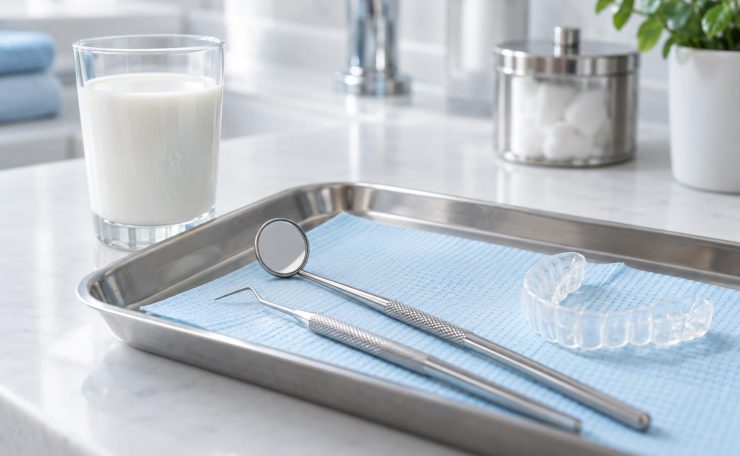
For a broken tooth, rinse your mouth with warm water and save any fragments in milk or a clean container. Cover a sharp edge with a piece of sugar-free chewing gum or dental wax from a chemist, and use a cold compress on the cheek to ease swelling.
For a tooth knocked out completely, handle it by the crown, never the root. If it is dirty, rinse it briefly in milk or water without scrubbing, then try to place it gently back in its socket and bite on a clean cloth to hold it. If that is not possible, keep it in milk and get to a dentist as fast as you can, because the first hour matters. Baby teeth should not be put back.
For toothache, rinse with warm salt water, and take over-the-counter painkillers according to the label if they are safe for you. Do not place aspirin directly on the gum, as it can burn the tissue.
Knowing Who to Call
The best moment to find help is before you need it. People who live nearby often look up an emergency dentist in Fleet and save the number in their phone, so a late-night problem does not turn into a frantic search. If you are not registered with a practice, NHS 111 can direct you to urgent dental care in your area, and many practices keep slots free each day for people in pain. Bring a list of any medical conditions and allergies, and your usual dentist’s name if you have one, so the visit runs smoothly.
When you ring, describe the problem clearly: what happened, when it started, where it hurts and whether there is swelling or bleeding. Mention any medicines you take, especially blood thinners, as the dentist will want to know.
Preventing the Next Emergency
Many dental emergencies are avoidable. A properly fitted mouthguard protects teeth during contact sports, and a night guard can limit damage from grinding. Avoid using teeth to open packets or crack nuts, and do not ignore a filling that has started to feel loose or a dull ache that comes and goes, since small warnings often precede the sudden failure. Sugary snacks and fizzy drinks sipped all day also raise the risk, so keep them to mealtimes where you can.
Regular check-ups let a dentist spot weak fillings and early decay before they turn into an evening of pain. Keep brushing twice a day with fluoride toothpaste and clean between your teeth daily.
A broken tooth is rarely welcome, but a little preparation turns it from a panic into a problem with a clear next step.