
 Junio
A brown stain the size of a coin appears on the bedroom ceiling after a night of heavy rain. By the weekend it has dried, so you forget about it. Yet that mark is often the last stage of a problem that began months ago on the roof, where you cannot see it.
Reading the Signs From the Ground
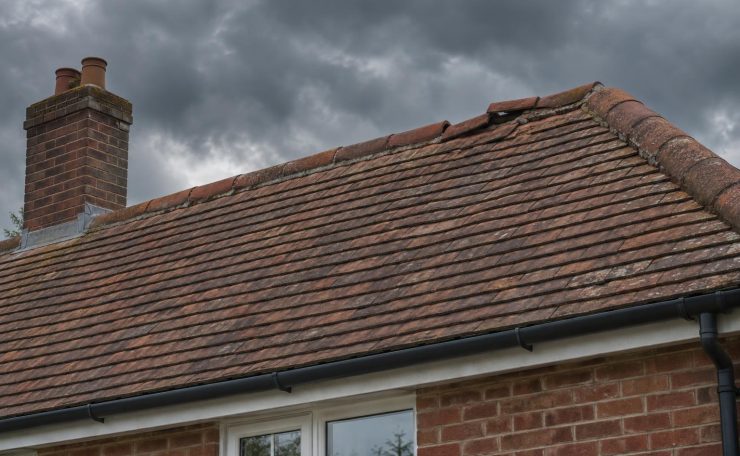
Walk round the house after a storm with a pair of binoculars. Look for slipped, cracked or missing tiles, gaps along the ridge, sagging gutters, thick mats of moss and dark streaks on the walls beneath the eaves, which suggest water is overflowing from the gutters. Inside, take a torch into the loft and look for daylight through the roof, damp patches on the rafters or a musty smell. A drip you can hear on a windy night is a clear warning. Photograph anything suspicious with your phone zoomed in, and note the date. Images help a roofer judge how quickly a problem is changing, and they help with an insurance claim if storm damage is involved.
What Weather Does to Each Part
A roof is a collection of small parts, and each ages differently. Tiles shift as their fixing nails corrode. Mortar on ridges and hips crumbles under frost. Flashings, the strips of lead or metal where the roof meets a chimney or wall, lift or crack. The felt beneath the tiles hardens with age. Flat roofs split where water pools. Frost does much of the damage, because water gets into tiny cracks, freezes and forces them wider. Each fault is small and cheap to deal with early, and expensive once it has soaked into timber.
Choosing Someone to Climb Up
Do not go up yourself. Ladders and wet tiles are a recipe for serious injury. Homeowners in north-east Hampshire often begin by searching for roofers in Fleet who can visit quickly after a storm and are easy to hold to account if something goes wrong. Whoever you choose, ask for a written quote that names the materials and itemises labour, scaffolding and waste removal. Check that they carry insurance, and ask for photographs of the problem before and after the work.
Be wary of anyone who knocks on your door saying they noticed damage while passing. Genuine problems rarely need a decision on the doorstep, and a second opinion costs very little compared with a poor repair.
Repair or Replace
A repair makes sense when the damage is local and the rest of the roof is sound, such as a handful of slipped tiles or a split flashing. Replacement becomes the better choice when problems are widespread: slipping tiles across several slopes, rotten battens or leaks that keep returning in different places. Ask the roofer to explain the reasoning with photographs. A good contractor will describe both options and their costs rather than pushing the larger job.
Age matters too. Many roofs last for decades, but that depends on materials, pitch and exposure. A roofer may tell you a section is near the end of its life even though it is not yet leaking; use that to plan and budget rather than to panic.
Small Habits That Extend a Roof’s Life
Clear the gutters twice a year, trim branches that overhang the roof and remove moss gently rather than blasting it with a pressure washer, which can strip tile surfaces. Look over the roof from the ground after every severe storm, and keep a folder with quotes, photographs and receipts for past repairs. That record helps any later buyer, and it helps you spot patterns before they become emergencies. Loft insulation and ventilation matter as well, since a roof space that traps warm, moist air can cause condensation that looks exactly like a leak. A little attention each season is far cheaper than a ceiling repair.